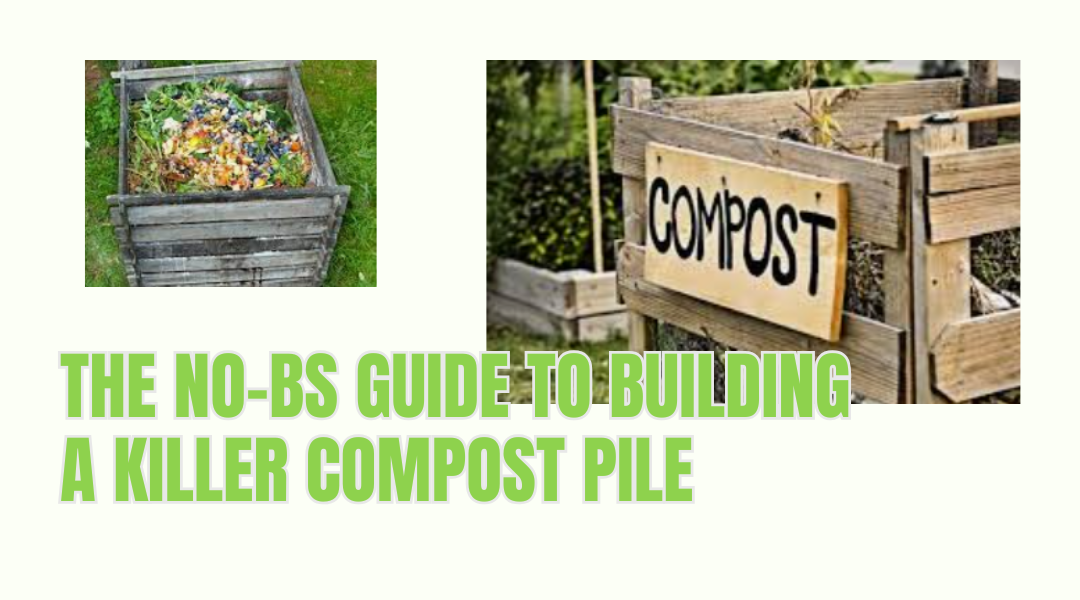
Composting isn’t rocket science, but there’s an art to turning your kitchen scraps and yard waste into black gold. Skip the fancy jargon; here’s the real-world method to build a compost pile that actually works, whether you’ve got acres or a postage-stamp backyard.
Location: Where to Stash Your Rotting Treasure
Your compost pile isn’t a decorative feature (unless you’re into that). Tuck it somewhere:
- Close enough to your kitchen so hauling scraps doesn’t feel like a chore.
- Far enough from your house (10+ feet) to avoid funky smells wafting in on summer breezes.
- On bare dirt—worms and microbes need to migrate in. No concrete tombs.
- Out of sight if neighbors are nosy. Behind the garage or under a tree works.
Pro tip: If you’re in a rainy area, throw a tarp over it. Too much water turns your pile into a swamp.
Materials: What to Toss (and What to Skip)
Think of composting like feeding a picky pet. It wants a balanced diet:
Greens (the “fast food”):
- Veggie peels, coffee grounds, fresh grass clippings
- These rot quickly and heat things up.
Browns (the “fiber”):
- Dead leaves, shredded cardboard, straw
- These keep the pile from turning into a stinky sludge.
The “Oh Hell No” List:
- Meat, dairy, oily leftovers (rat magnets)
- Dog poop (parasites, ew)
- Glossy magazines (toxic ink)
Building the Pile: Layer Like a Lasagna
- Start with twigs or straw at the bottom for airflow.
- Add greens and browns in layers—like a sandwich. Too many greens? It’ll reek. Too many browns? It’ll take forever.
- Sprinkle dirt or old compost between layers (like microbial seasoning).
- Keep it damp—not soggy. If it’s drier than a popcorn fart, spray it with the hose.
Speed hack: Chop big stuff into smaller pieces. A whole pumpkin takes ages; chopped bits vanish faster.
Maintenance: The Lazy Person’s Guide
- Turn it sometimes. Once a week if you’re ambitious, once a month if you’re human. Use a pitchfork or just poke it with a stick.
- Sniff test: If it smells like a landfill, add more browns. If nothing’s happening, add greens or pee on it (yes, really—urine’s high in nitrogen).
- Patience pays: In 3–6 months, you’ll have dirt so rich your plants will high-five you.
Troubleshooting
- Fruit flies? Bury food scraps under leaves.
- Raccoons? Secure the pile with a lid or chicken wire.
- Cold pile? Make it bigger (3×3 feet minimum) or add more greens.
Why Bother?
- Free fertilizer that’s better than store-bought crap.
- Less trash stinking up your bins.
- Bragging rights when your tomatoes outshine the neighbor’s.
Final thought: Composting isn’t about perfection. Forget ratios and thermometers—just pile, tweak, and let nature do the work. Your garden (and the planet) will thank you.