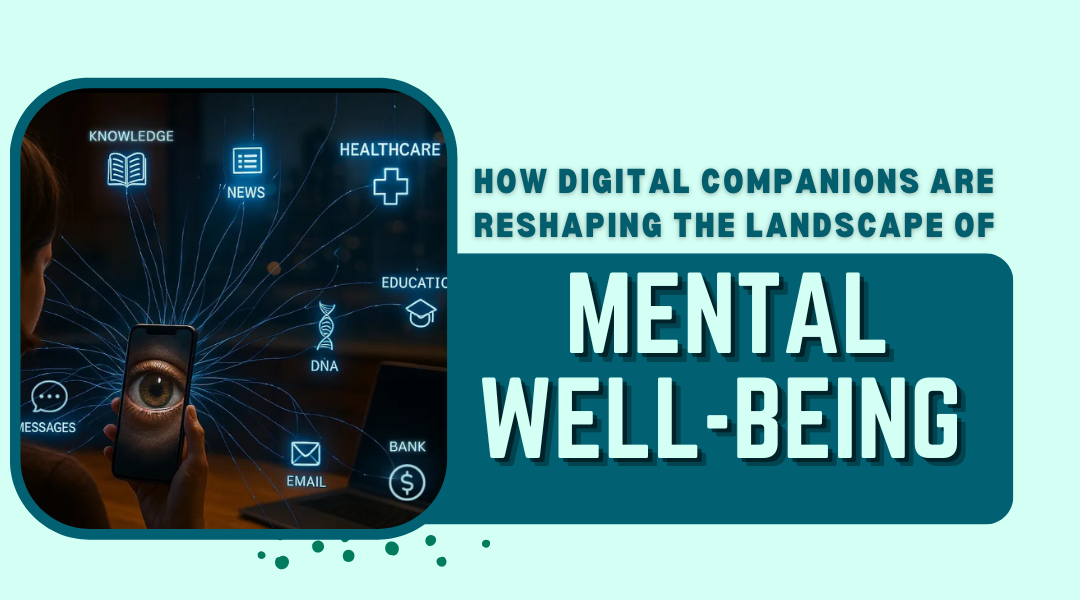
Introduction: A New Dawn for the Mind
For generations, the journey toward mental wellness has been a profoundly human one, confined to the quiet confines of a therapist’s office or the private pages of a journal. Today, we stand at the precipice of a quiet revolution. A confluence of advanced algorithms and empathetic design is forging a new frontier in emotional and psychological support. This isn’t about replacing the human touch, but rather about extending its reach, creating a responsive, accessible, and deeply personal ecosystem of care. We are moving beyond traditional models into an era where our digital environments are learning to listen, understand, and respond to the nuanced language of our inner lives. This is the story of that transformation—from conversational agents that offer a judgment-free ear to ambient technologies that perceive our emotional state before we even articulate it.
1. The Always-Available Confidant: The Rise of Conversational Support Systems
The first and most visible wave of this shift has been the emergence of AI-powered conversational partners. Far more than simple chatbots, these are sophisticated systems designed to provide immediate, accessible support.
- Beyond Scripted Replies: Unlike early, rigid chatbots, modern systems use advanced natural language processing to engage in fluid, context-aware conversations. They don’t diagnose, but they do guide. They can lead a user through evidence-based techniques like Cognitive Behavioral Therapy (CBT) or mindfulness exercises, offering a structured path during moments of anxiety or stress.
- The Power of Anonymity and Immediacy: A significant barrier to seeking help is the fear of judgment. These digital confidants offer a safe, anonymous space where individuals can express thoughts they might be hesitant to share elsewhere. Furthermore, they are available 24/7, providing crucial support during late-night crises or moments of acute distress when a traditional therapy appointment is days away.
- A Bridge, Not a Replacement: The primary role of these systems is to act as a bridge. They serve as a first line of defense, offering coping mechanisms and tracking mood patterns over time. This data can then be invaluable for a human therapist, providing a more detailed and objective timeline of a client’s experiences between sessions.
2. The Empathetic Interface: When Technology Learns to Perceive Feeling
While conversational AI responds to our words, the next frontier involves technology that interprets our non-verbal cues. This is the realm of affective computing, where machines are learning to read human emotion.
- Decoding the Unspoken: Through the consenting use of cameras and microphones, software can now analyze subtle facial micro-expressions, vocal tone, speech patterns, and even physiological signals like heart rate variability. A tremble in the voice, a shift in posture, or a fleeting expression of sadness can be indicators of a person’s emotional state that they may not have verbally communicated.
- Practical Applications in Daily Life: Imagine a video conferencing platform that could gently suggest a five-minute breathing break if it detects signs of heightened stress and fatigue in your demeanour. Or a learning app that adapts its pace and tone when it senses a student is becoming frustrated. This technology moves support from being reactive (waiting for a user to open an app) to being proactive and seamlessly integrated into our digital experiences.
- Ethical Guardrails: This capability naturally raises important questions about privacy and consent. The ethical deployment of emotion-sensing tech is paramount. It must be transparent, opt-in, and designed with robust data protection, ensuring it serves as a benevolent tool for self-awareness and not a mechanism for surveillance.
3. Weaving the Tapestry: The Integrated Ecosystem of Future Care
The true power of this digital transformation lies not in any single tool, but in the synergy created when they work together. The future of mental wellness is not a choice between human and machine, but a collaborative model.
- The Feedback Loop of Care: A user might have a text-based conversation with their AI support system in the morning, which logs a dip in their mood. Later, their smartwatch notes an elevated stress level during a work meeting. This anonymized, aggregated data can populate a dashboard for their human therapist, providing a holistic view of the client’s week, beyond the 50-minute session.
- Personalized Pathways to Resilience: This integrated data allows for hyper-personalized wellness plans. The system could learn that a user responds best to nature sounds and guided meditation when feeling anxious, rather than a CBT exercise. It can then proactively offer the most effective coping strategy for that individual at the right moment.
- Democratizing Emotional Well-being: Ultimately, this ecosystem makes proactive mental health care more accessible and less stigmatized. It integrates support into the fabric of daily life, normalizing the act of checking in with one’s emotional state and providing tools for resilience that are available to a much wider audience.
Conclusion: A Collaborative Future for the Human Psyche
The integration of artificial intelligence into mental wellness is not a cold, technological takeover. It is a profound augmentation of our innate desire for understanding and connection. These digital tools are becoming the scaffolding that supports our emotional lives, offering consistent, data-informed, and readily available support. They empower individuals with greater self-knowledge and provide human professionals with deeper insights, freeing them to focus on the complex, empathetic work that only they can do. As we move forward, the goal is clear: to cultivate a future where technology and humanity work in concert, fostering a world where everyone has the tools and support they need to not only survive but to truly thrive, mentally and emotionally.