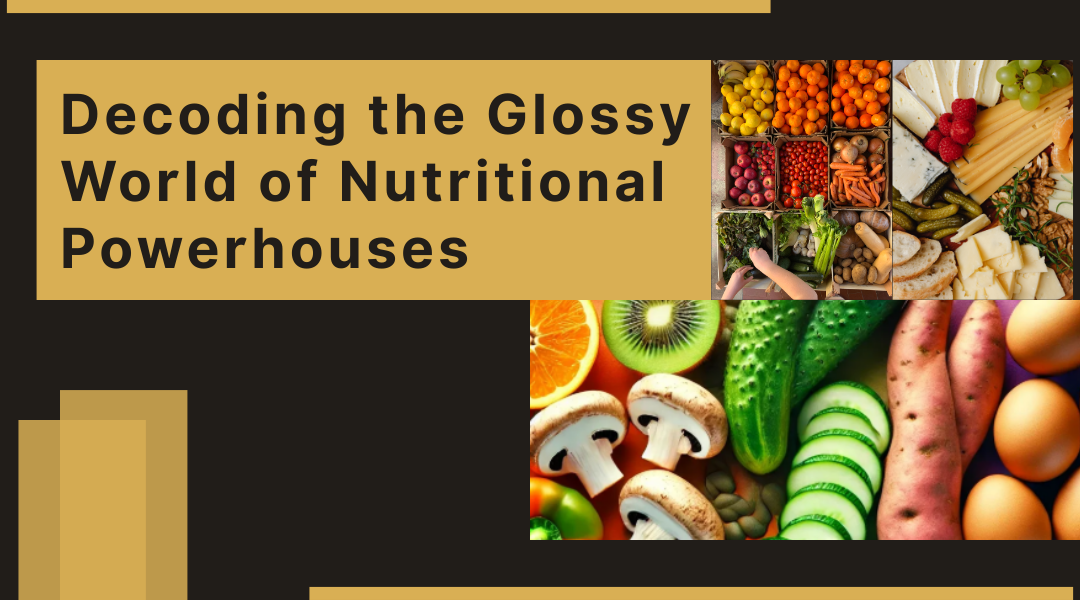
Beneath the sleek packaging, the bold promises, and the Instagram-worthy glow of an açai bowl lies a complex and often contradictory landscape. We are awash in a sea of nutritional superlatives, where ordinary seeds become “miracle” cures and ancient grains are reborn as panaceas. The language of “superfoods” is seductive, promising a shortcut to a healthier, more vibrant self. But to the trained eye of a nutrition professional, this marketing crescendo often drowns out the quieter, more essential truths about how we truly nourish our bodies.
This is not an indictment of these often-wonderful foods, but an invitation to pull back the curtain. Let’s move beyond the label’s fanfare and into the nuanced reality of nutritional science, sustainability, and dietary common sense. What gets lost, and more importantly, what gets dangerously amplified, when marketing teams get ahold of a pomegranate or a bag of goji berries?
1: The Anatomy of a “Super” Narrative
Marketing rarely thrives on subtlety. To understand the gap between hype and reality, we must first decode the playbook used to elevate a food to mythical status.
1. The Isolated Compound Fallacy: This is the cardinal sin of nutritional hype. A single, promising study on a bioactive compound—like resveratrol in red wine or anthocyanins in blueberries—is extracted from its complex, cautious scientific context. That compound is then plastered across a product label as if consuming the food delivers a pharmaceutical-grade dose directly to your ailing cells. The reality? These compounds exist within a intricate matrix of fiber, other phytonutrients, and food chemistry. Their bioavailability—how much your body can actually absorb and use—is often low and highly variable from person to person. You cannot “condense” the benefit of a hundred blueberries into a teaspoon of expensive powder with the same effect.
2. The Exoticism Premium: There is an undeniable allure to the distant and the rare. Foods like maca from the Peruvian Andes, maqui berry from Patagonia, or moringa from the Himalayas carry a narrative of ancient, untouched wisdom. This exoticism justifies a premium price tag and a mystic promise. Meanwhile, humble local staples—like dandelion greens in your backyard (packed with vitamins A, C, and K) or the humble lentil (a protein and fiber powerhouse)—are overlooked. The environmental cost of this global superfood trade, in terms of food miles, water use, and impact on local economies and ecosystems, is a critical part of the story that marketing conveniently omits.
3. The Silo Effect & The Magic Bullet Fantasy: Perhaps the most pervasive myth is that any single food can singularly “boost immunity,” “detox your liver,” or “reverse aging.” This “magic bullet” thinking is a fundamental misunderstanding of human physiology. Health is a symphony, not a solo. Your immune system is a vast, layered network influenced by sleep, stress, gut health, and overall nutrient intake—not by a daily shot of wheatgrass alone. Marketing encourages us to think in silos: this powder for energy, that seed for glowing skin. It fragments the beautiful, synergistic complexity of a whole-foods diet.
2: The Overlooked Foundations: What Truly Deserves the “Super” Label
While we’re mesmerized by golden berries, we are often stepping over the true titans of nutrition that form the bedrock of health. From a clinical perspective, here is what consistently proves to be “super”:
1. Dietary Fiber: The Unseen Regulator. No trendy powder holds a candle to the proven, multifaceted power of adequate fiber. Found in legumes, whole grains, vegetables, nuts, and seeds, fiber is the ultimate regulator. It moderates blood sugar spikes, feeds your beneficial gut microbiome (which in turn influences everything from immunity to mood), promotes satiety, and supports cardiovascular health. The quest for a “superfood” should always begin with, “Is this a good source of fiber?”
2. Protein Quality & Distribution. Particularly as we age, the consistent intake of adequate, high-quality protein throughout the day is paramount for preserving muscle mass, supporting metabolic function, and maintaining bone health. This isn’t about chasing exotic sources, but about reliably incorporating a variety of legumes, eggs, dairy, fish, and lean meats. The “super” act is not finding the most obscure protein powder, but ensuring you’re meeting your body’s fundamental structural needs at every meal.
3. The Unsung Mineral: Magnesium. Dubbed the “master mineral,” magnesium is involved in over 300 enzymatic reactions in the body, from energy production and muscle function to nerve signaling and sleep regulation. Chronic, subclinical deficiency is widespread. Prioritizing magnesium-rich foods—pumpkin seeds, spinach, black beans, almonds, dark chocolate—does more for foundational metabolic health than most exotic supplements. It’s the quiet workhorse that keeps the system humming.
4. Consistency & Pattern Over Perfection. The single most “super” behavior in nutrition is not the occasional consumption of a costly berry. It is the consistent, daily practice of eating a variety of colorful plants, lean proteins, and healthy fats. A “super diet” is a resilient pattern—a vegetable-rich stir-fry on Tuesday, a lentil soup on Thursday, a large salad on Saturday. It is boring, un-marketable, and profoundly effective.
3: The Hidden Costs: Sustainability, Accessibility, and Ethics
The superfood narrative often ignores its own footprint, creating ripple effects far beyond our blender.
1. The Local vs. Global Imbalance: The soaring demand for quinoa in the West, for instance, once priced this staple out of reach for the Bolivian and Peruvian communities that cultivated it for millennia. Avocado orchards have been linked to deforestation and water scarcity in parts of Mexico and Chile. When we anoint a food as a global commodity, we must ask: who benefits, and who bears the cost? A “superfood” that degrades ecosystems and displaces local food security is a contradiction in terms.
2. The Privilege of Wellness: The gleaming packages of chia seeds, açai puree, and matcha powder come with a price tag that places them firmly in the realm of affluent wellness. This creates a dangerous implicit message: that optimal health is a luxury, purchasable only by those who can afford the latest trendy ingredient. It distracts from the empowering truth that profound health is built on affordable, accessible foods like oats, eggs, canned beans, frozen vegetables, and seasonal local produce.
3. The “Health Halo” and Processed Junk: The marketing aura of a superfood is so powerful it can be transferred. This is the “health halo” effect. A sugary cereal “with goji berries,” a chocolate bar “with spirulina,” or a soda “with antioxidants” are still fundamentally ultra-processed foods. The sprinkle of a trendy super ingredient is a marketing sleight of hand, designed to make a poor nutritional choice feel virtuous and justified.
Conclusion: Reclaiming Wisdom in a World of Hype
So, where does this leave us? Should we shun açai and despise chia? Absolutely not. The goal is not cynicism, but clarity—a shift from being passive consumers of marketing to becoming empowered, discerning nourishers of our own bodies.
We can appreciate the novel flavors and nutrients in so-called superfoods while grounding our diets in the unglamorous, essential foundations: fiber, protein, a rainbow of plants, and consistency. We can choose to buy exotic ingredients mindfully, prioritizing fair trade and sustainable sources when we do, while investing most of our food budget in local, seasonal pillars.
The most potent dietary strategy is breathtakingly simple and utterly resistant to hype: Build your plate around whole, minimally processed foods, most of which don’t need a marketing label at all. Let the humble cabbage, the reliable lentil, the sturdy oat, and the ubiquitous apple reclaim their rightful throne. Enjoy a sprinkle of cacao nibs or a spoonful of maca for flavor and variety, not salvation.
True nutritional “super” power isn’t found in a single, expensive package from a far-off land. It is cultivated daily in the quiet, cumulative choices that respect the complexity of our bodies, the limits of our planet, and the profound wisdom of eating from the earth, not from a trend report. It’s time to turn down the volume on the hype and listen instead to the enduring, gentle wisdom of real food.