Introduction: The Geography of Nourishment
In our globalized pantry, we can savor Peruvian maca, sip Amazonian acai, and sprinkle Himalayan goji berries with abandon. This culinary passport is a marvel, yet it has quietly fostered a curious disconnect: we often know more about the nutritional folklore of a mountain range 8,000 miles away than we do about the dormant potential in the soil of our own backyards. We’ve been sold a story that “super” is synonymous with “exotic,” that potency must come with a passport stamp and a premium price tag.
But what if the most powerful nutritional strategy isn’t about geographical conquest, but about geographical intimacy? What if the foods most attuned to supporting your vitality are the ones that share your climate, your seasons, and your local ecosystem? This is an invitation to look down, not out—to embark on a local, edible archaeology. It’s a revolution not of import, but of discovery, centered on a simple, radical idea: the most profound nourishment is often hyper-local, seasonally synced, and grown within the compass of your own community.
Part I: The Compelling Case for Eating Close to Home
Choosing local foods isn’t merely a romantic pastoral ideal; it’s a multi-faceted strategy for superior nutrition, ecology, and personal health.
1. The Nutrient Timeline: From Peak to Plate
A vegetable is a living, breathing organism. The moment it is harvested, its nutrient profile begins a slow decline. Vitamins like C and certain B vitamins are particularly sensitive to time, light, and temperature. A “superfood” berry that spends weeks in transit, warehousing, and supermarket aisles is a shadow of its former nutritional self. Conversely, a bunch of kale picked yesterday from a farm ten miles away and eaten today delivers its full, intended spectrum of vitamins, minerals, and phytonutrients at their absolute peak. Local isn’t just fresher; it’s nutritionally denser.
2. The Flavor Principle: Taste as an Indicator
Flavor is not an accident; it’s intelligence. The explosive sweetness of a sun-warmed tomato just off the vine, the peppery punch of a freshly pulled radish—these intense flavors are direct signals of nutritional maturity and vitality. Plants develop their full complement of sugars, acids, and aromatic compounds (many of which are beneficial antioxidants) when allowed to ripen naturally on the plant. Industrial agriculture, built for shipping durability, often sacrifices flavor—and by extension, peak nutrient content—for shelf life. When you eat locally, you are literally tasting the nutrient density.
3. The Synergy of Seasonality: Eating in Rhythm
Your body is not a static machine; it has seasonal needs. The dense, grounding carbohydrates of autumn squash and root vegetables provide insulation and energy for colder months. The watery, cooling crunch of cucumbers and summer berries helps with hydration and cooling in the heat. Local, seasonal eating naturally aligns your diet with the environmental pressures your body faces, a harmony celebrated in traditional medicine systems for millennia. It’s a biological dialogue between your needs and what your local land offers.
4. The Microbial Handshake: Connecting to Your Biome
Emerging science points to a fascinating connection between our gut microbiome and our immediate environment. Local foods, grown in your regional soil and carrying trace elements of that local terroir (and its microbial community), may act as a gentle “primer” for your immune system. It’s a theory of bio-familiarity: consuming foods from your ecosystem might help train your body to interact more harmoniously with that same ecosystem, potentially reducing inflammatory responses.
Part II: Your Regional Powerhouses: A North American Primer
While specific foods vary, every region boasts its own nutritional champions. Let’s move beyond generic kale and explore the depth of local potential. (Note: Adapt this section to your specific audience’s region if known. This is a generalized North American template.)
For the Northeast & Midwest: The Sturdy Survivors
- The Underdog: The Wild Ramps & Foraged Greens. Before the first cultivated lettuce, there are ramps (wild leeks), dandelion greens, fiddleheads, and purslane. Purslane, often dismissed as a garden weed, is one of the richest known plant sources of omega-3 fatty acids (alpha-linolenic acid) and contains a potent array of antioxidants. It’s a free, foraged superfood growing in sidewalk cracks.
- The Winter Keeper: The Humble Root Cellar Brigade. Beets, parsnips, rutabagas, and celeriac are storage powerhouses. Beets, with their betalain pigments, are phenomenal for supporting liver detoxification pathways and blood flow. Don’t discard the beet greens—they rival kale in vitamin K and calcium content.
- The Hardy Green: Collards & Mustard Greens. More robust than kale, these Southern staples thrive in cooler temperatures and are packed with vitamins A, C, and K, and are excellent sources of calcium, especially when cooked.
For the Southeast: The Prolific Producers
- The Legume Lord: The Crowder Pea & Field Pea. Beyond the black-eyed pea lies a world of heirloom legumes: crowders, pink-eyed purples, and zipper creams. These are protein and fiber champions, foundational to soil health (they fix nitrogen) and human health, offering sustained energy and gut-friendly fiber.
- The Verdant Giant: The Sweet Potato Leaf. While we treasure the orange tuber, the vines of the sweet potato plant are a staple green in many cuisines. They are more nutritious than spinach, rich in vitamins, antioxidants, and anti-inflammatory compounds, and grow with astonishing speed in the summer heat.
- The Antioxidant Jewel: The Muscadine & Scuppernong Grape. Thick-skinned and bursting with bold flavor, these native grapes contain some of the highest levels of resveratrol and other polyphenols of any grape, offering profound cardiovascular and cellular support.
For the Southwest & Arid Regions: The Drought-Adapted Miracles
- The Ancient Grain: Amaranth & Tepary Beans. Amaranth, a seed used like a grain, is a complete protein and a rich source of lysine, an amino acid often low in other grains. Tepary beans, cultivated by indigenous peoples for millennia, are exceptionally high in protein and fiber and are brilliantly adapted to arid conditions, requiring minimal water.
- The Desert Succulent: Nopales (Prickly Pear Cactus Pads). A staple of traditional diets, nopales are a masterclass in adaptation. They are rich in soluble fiber (which helps regulate blood sugar), antioxidants, and are a source of vitamins A, C, and magnesium. Their mucilaginous quality is superb for gut health.
- The Seed Oil Powerhouse: The Piñon Nut. The seed of the pinyon pine, it’s a regional treasure rich in protein, healthy monounsaturated fats, and a distinctive, resinous flavor.
For the Pacific Northwest: The Coastal Bounty
- The Sea Vegetable: Bullwhip Kelp & Nori. The ocean offers some of the most mineral-dense foods on the planet. Local kelps are loaded with iodine (for thyroid health), trace minerals, and alginates, which can help detoxify heavy metals. Foraged or sustainably farmed, they are a true local superfood.
- The Forest Berry: The Salal Berry & Evergreen Huckleberry. Beyond the cultivated blueberry, the forests offer these intense, tart-sweet berries, packed with anthocyanins and a deep, complex flavor that reflects the terroir of the mossy understory.
- The Ubiquitous Green: Kale’s Cousins, Perennial Favorites. This climate is ideal for robust greens like perennial kale varieties and Swiss chard, which can provide year-round leafy nutrition.
Part III: The Practical Forager: How to Become a Local Food Sleuth
You don’t need a farm. You need curiosity.
- Find Your Farmers Market, But Go Deeper: Don’t just shop; interview. Ask growers: “What’s your favorite thing growing right now?” or “What heirloom varieties do you grow that I won’t find in a store?” This is how you discover the Cherokee Purple tomato, the Dragon Tongue bean, or the Romanesco broccoli.
- Join a CSA (Community Supported Agriculture): This is the ultimate commitment to local eating. You receive a weekly share of what’s actually being harvested, which pushes you to cook and eat with the rhythm of the land.
- Learn the Basics of Foraging (Safely & Ethically): Take a guided walk with an expert. Learn to identify dandelion, purslane, wild berries, and edible mushrooms in your area. It transforms a walk in the park into a treasure hunt.
- Preserve the Peak: When you find a glut of local blueberries, peppers, or tomatoes, freeze, dry, or can them. This extends the taste and nutrition of summer into the leaner months, making local a year-round practice.
- Redefine “Weed”: Look at your yard or community garden with new eyes. Lambsquarters (a common weed) is more nutritious than spinach. Plantain weed has herbal uses. The landscape is more edible than we’ve been taught.
Conclusion: Cultivating a Deeper Food Citizenship
The local superfood revolution is ultimately a quiet act of reclamation and connection. It’s about reclaiming the narrative of health from distant, anonymous supply chains and placing it back into the hands of the people who tend the soil in your watershed. It connects you to the specific taste of your July, the character of your October.
This practice nourishes more than just the body. It nourishes the local economy, the farmer, and the land itself through sustainable practices. It reduces the carbon footprint of your plate dramatically. It turns eating from a purely metabolic act into an act of food citizenship—a conscious participation in the health of your immediate human and ecological community.
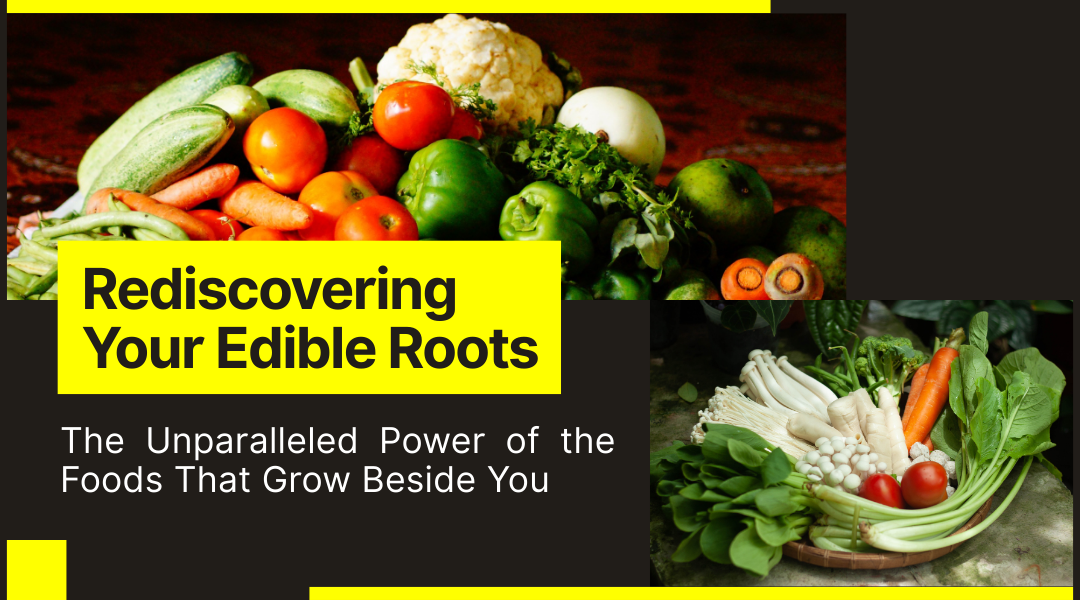
So, this weekend, skip the aisle with the imported wonder-powders. Go instead to the stall with the lumpy, sun-freckled tomatoes, the gnarly carrots with tops still attached, the greens you don’t quite recognize. Ask a question. Take it home. Taste the difference. In that bite, you’re not just consuming nutrients; you’re consuming a story, a place, and a season. You are, quite literally, taking root. And there is nothing more super than that.